
Teaching biblical stewardship
Moving your Stewardship Ministry forward
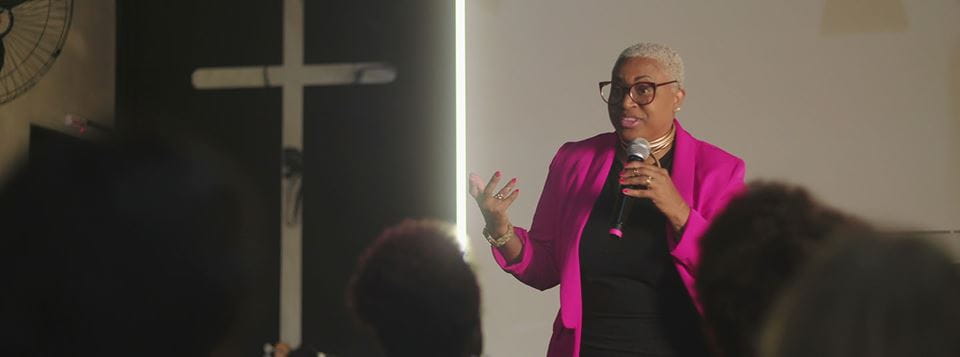
Teaching biblical stewardship
Depending on how one counts, there are between 2,000 and 2,300 verses about money in scripture, more than about nearly any other subject. Former Everence Director of Stewardship Education Beryl Jantzi has said, “While money isn’t the most important thing to talk about in church, it’s too important not to talk about.”
Talking about money
When we teach about money in our congregations, there are at least two aspects to consider:
First, what do we believe about money and what are the discipleship issues involved? How do we understand the notions of contentment and “enough”? How do we grow in our understanding of faithful stewardship as a spiritual practice?
Second, many people in our congregations would like to be faithful in managing the money that comes into and out of their lives, but sometimes they need help. How do we ensure that those we minister to/with have the tools they need to successfully integrate their faith and values with their decisions about money?
Teaching and preaching about financial stewardship is a significant way to encourage growth and faithful discipleship in both of these areas. Teaching about stewardship is more than talking about the “10 percent” that we hope people give to the church – it’s about the “90 percent” as well, as we help people be faithful with all the resources God has entrusted to them.
Teaching and preaching about stewardship helps people grow in the spiritual practices of money management and generosity. It also helps people navigate their own financial journey, no matter their life stage or income and asset level.
Tips for teaching and preaching stewardship
Develop your own “theology of money.” What core principles guide how you and your congregation think about money? Identifying these principles gives a framework for teaching and can even serve as an outline for sermon series and other offerings. For example:
- Everything belongs to God.
- Generosity is an act of worship.
- We are called to manage the resources entrusted to us.
- Practicing mutual aid is a part of discipleship.
- Stewardship is practiced in the gathered community of faith.
Stewardship is a spiritual practice that draws us closer to God.
Consider what happens when we don’t talk about money in the church. People receive many messages about money on a day-to-day basis, but they are often coming from perspectives that aren’t based on our faith. When the church is silent about money, it allows broader society to monopolize the messages people hear.
Consider stewardship education as an opportunity for outreach. Many people are reluctant to come to church, perhaps because of a difficult past or because it’s never been a part of their life. Yet, many of these same people struggle in their finances, no matter their income or asset level. Personal finance classes such as FreedUp can invite them to engage with your congregation. When they see you want them to thrive in all areas of life, they may engage in other ministries as well.
Consider that financial stewardship is one component in a broad understanding of stewardship. When talking about “time, talents and treasures,” the third word is the most important – the connecting word “and.” We shouldn’t focus solely on the financial aspects of stewardship, but neither should we ignore this important component.
“Preach about money when you’re not preaching about money.” It’s tempting to preach about money only in the context of a specific Sunday or series. But stewardship shows up in many areas of our lives. For example, when talking about healthy relationships, identify that conflict over money is a primary cause of tension in marriages. When identifying challenges in our day-to-day living, talk about living a simpler life in a world focused on consumerism. If you use lectionary texts or preach through a given book of the Bible, don’t shy away from the passages about money – they will show up regularly.
It’s Story Time!
There are many settings and tools for teaching biblical stewardship. Among them:
Sunday school and small groups: Consider stewardship offerings in your Sunday school or small group teaching. Everence has numerous curricula for adults and youth Everence curriculum options. Some are Bible studies. Others, including our popular End-of-Life Curriculum are topically based. Also, several of the Bible study options would “preach well.”
Sermons: Your Everence stewardship consultant can help you develop a Stewardship Sunday or series (and may even be able to visit your church). Often these sermons can be paired with Sunday school teaching by a Stewardship or Financial Consultant. Numerous worship outlines are available: Everence sermon and worship resources.
Webinars: Everence offers many webinars ranging from general stewardship to those specific to retirement preparation, Medicare Supplement or other subjects. Promote attendance at like webinars, but also consider using recorded webinars for a one-time class or a teaching series: Recordings are available at: Everence webinar recordings
Books: Books can be excellent for either group study in a Sunday school or small group situation or as an opportunity for individual growth through the church library. Contact your Everence Stewardship Consultant for an updated curated list of suggested titles are available through local bookstores, Amazon.com or other bookselling websites.
Special classes: FreedUp is a well-rounded app-based six-week financial stewardship curriculum. Your congregation could offer the training for participants or community members.
Membership classes: New member classes are a great opportunity to talk about you congregation’s ministry. This can be especially helpful if your congregation uses a narrative budget. It can also be a great time to describe your congregation’s benevolence program and ways that people can give, particularly electronically.