
The check is in the mail...Or is it?
What to know about growing mail theft and how to protect your payments
Financial services
|
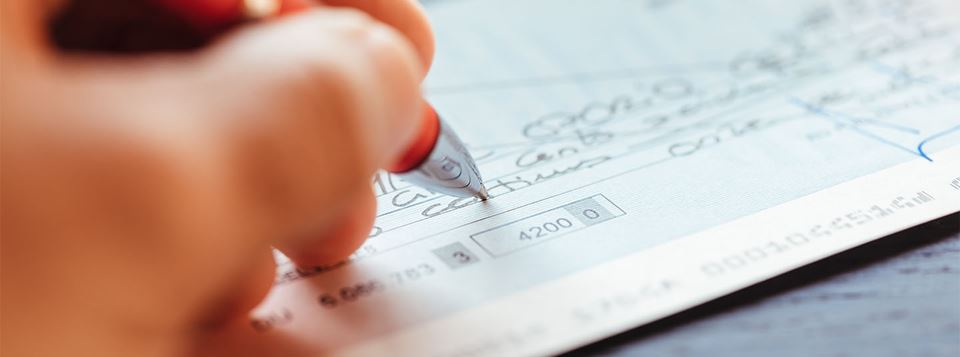
Check fraud grew by 10% from 2023 to 2024, according to a Federal Reserve survey of risk officers at financial institutions. It is a close second to debit card fraud. When you mail a check, the check contains much of your personal banking and contact information. Mail theft has grown exponentially since the COVID-19 pandemic.
To avoid your check being stolen:
- Secure your mail by taking it inside the post office rather than curbside mailboxes like your home or sidewalk blue boxes.
- Consider a different method of payment. Go digital, use Bill Pay or pay with a card.
- Ask to receive payments electronically.
- Review your accounts regularly, not just to see if that check was paid, but to ensure it went to the right payee.
- Place a “stop payment” status on checks not received in a timely manner.
- Report any unauthorized transactions quickly.
When writing a check:
- Use a dark, permanent ink pen such as a gel pen. The ink is more difficult to erase.
- Fill the blank spaces. This leaves less room for alterations.
- Be consistent in style when writing checks. This helps your credit union easily identify a check that is altered. For example, always print in capital letters or always write in cursive.
- Cross the printed line on the check. This makes it difficult to wash the check without leaving a sign it was changed or altered.
- Confirm delivery with the intended payee.
If you have any questions about how to make or receive payments digitally, reach out to your closest branch or contact us online.